People sometimes say they’ve “lived a full life” the way you’d describe checking a box. But a full life was never about avoiding mistakes or dodging loss. In fact, it’s close to the opposite. You cannot live a full life without experiencing everything that comes your way, including the parts you’d never choose.
The Job I Was Sure Would End Me
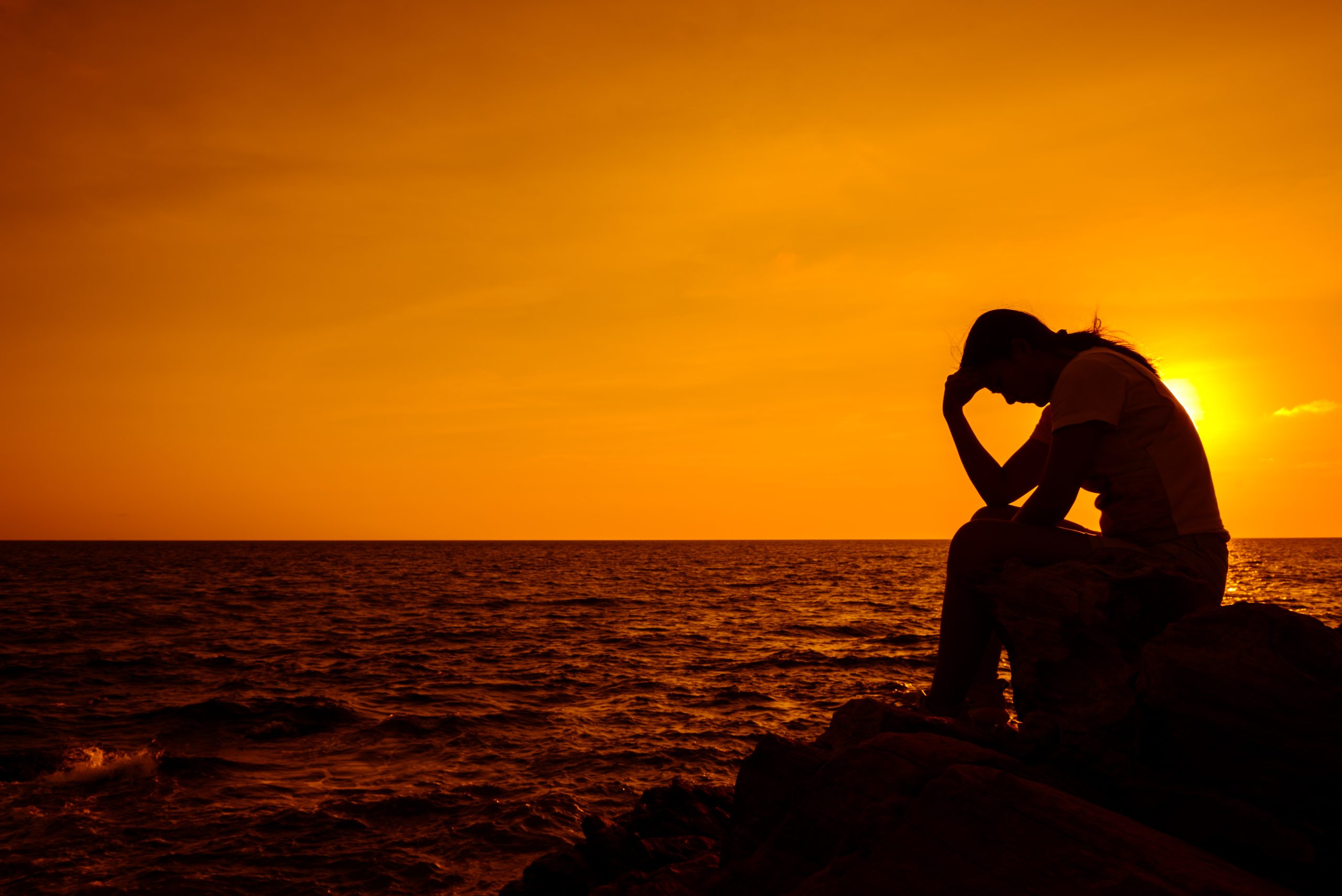
I once lost a job I believed I was doing well. I still believe that. Discouragement and self-pity moved in and took over for a while. Long enough that a couple of months passed in something close to nothingness.
Eventually, I understood something simple but not easy. I had a duty to climb out of that funk and move forward. So I started asking the questions that actually mattered. What could I have done better? What do I genuinely enjoy? Where might there be opportunities I hadn’t considered? What were my strengths, and what were my blind spots?
There was a long day of walking alone in the woods, singing the same hymn over and over, before the decision finally landed. It was up to me, and me alone, to rise above the discouragement. Not luck. Not circumstance. A decision.
Not long after, I landed a job that gave me real satisfaction, and I don’t believe that was luck either. It was the direct result of facing things as they actually were and taking responsibility for what happened next.
Suffering Isn’t the Enemy of a Full Life. It’s Part of It
Here’s the part that tends to surprise people. Suffering is a necessary ingredient in a full life, not an obstacle to one. When you’ve been through something hard, the good things afterward land differently. You take less for granted. You notice more of what’s actually good in your life instead of assuming it will always be there. You become kinder because you know what it costs to struggle.
Pity the person who has never had to overcome real adversity. Not because struggle is good in itself, but because the alternative, a life with no friction at all, leaves you unpracticed at exactly the moments that matter most.
The Lobster
There’s an analogy that captures this better than any explanation I could give directly.
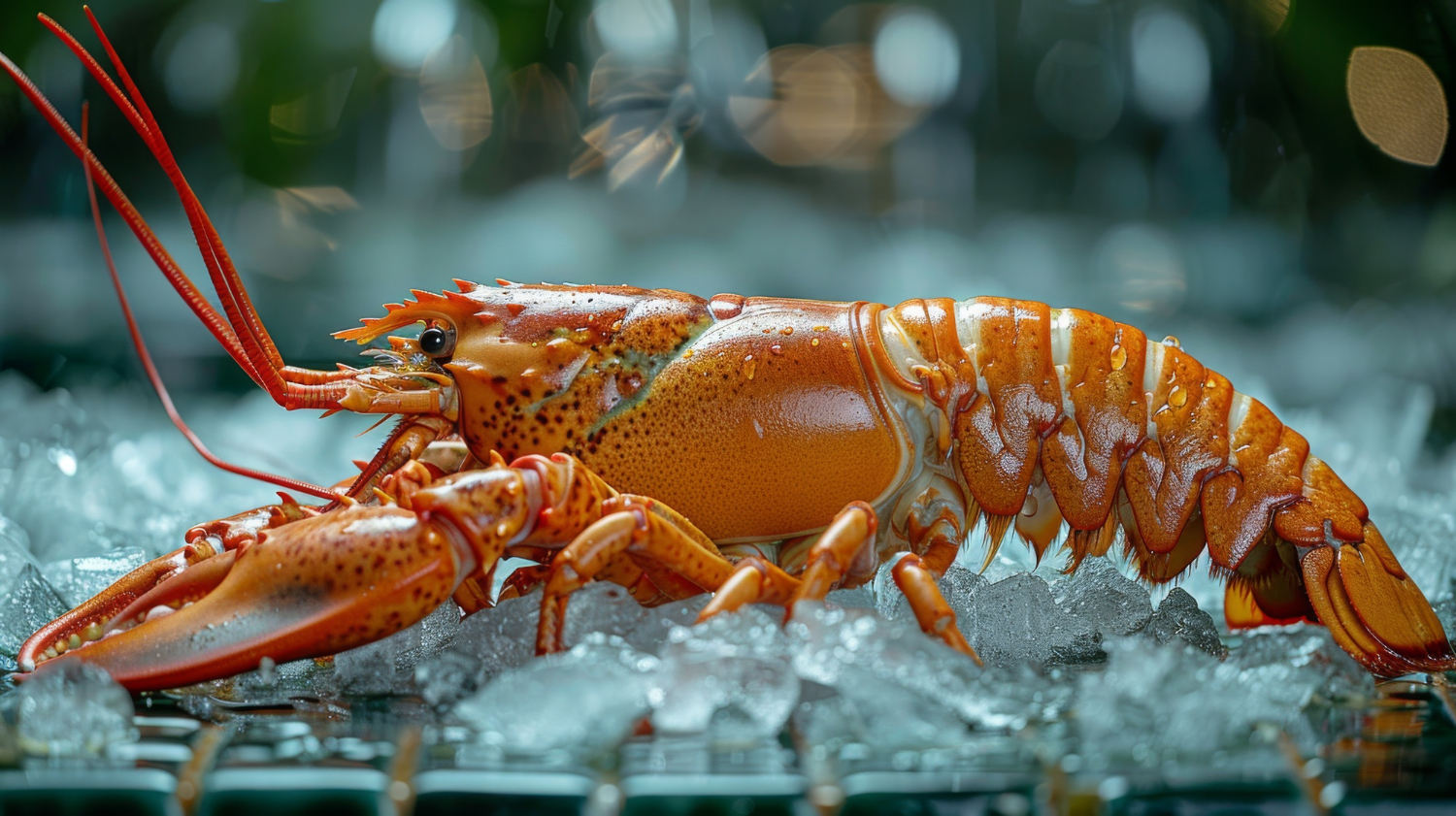
A lobster starts life small, frail, and completely dependent. As it grows, it develops a hard outer shell for protection. But that shell eventually becomes too small to accommodate more growth. So the lobster does something that looks, from the outside, like a crisis. It sheds the shell entirely.
For a period after shedding, the lobster is exposed and vulnerable, soft in a world full of hard things. But that vulnerable stretch is exactly what allows it to grow into something stronger than the shell it left behind. And it will do this again, multiple times, across its whole life.
The Same Is True for Us
Our greatest periods of personal growth tend to follow a loss, a failure, or a bad decision, not a smooth stretch with no bumps at all. In the moment, we feel exactly like a lobster without its shell, exposed, uncertain, and unprotected.
But that discomfort is not a sign that something has gone wrong. It’s frequently the sign that something is about to grow. The choice in front of you isn’t whether to feel vulnerable. That part isn’t optional. The choice is whether you’ll let that vulnerable stretch turn into the next, stronger version of yourself, or whether you’ll try to climb back into a shell that’s already too small.
A full life doesn’t mean an easy one. It means a life where you let each shedding do its work.